
 Back
Back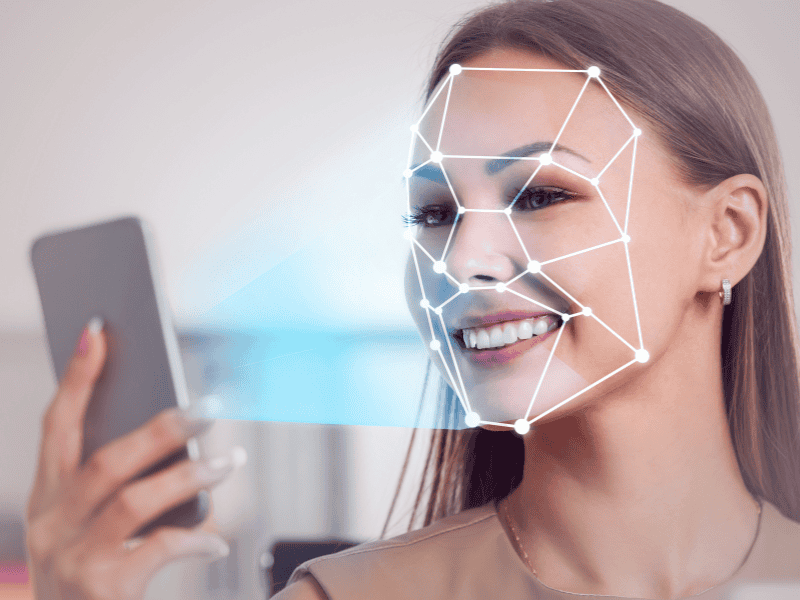
Picture a bustling airport, where lines move swiftly and passengers breeze through security, no fumbling for passports, no barcode scans. This seamless experience is no longer a distant dream: it’s increasingly powered by facial biometrics. As face recognition systems surge in popularity, we’re witnessing an unprecedented shift in how security, access, and identity verification are managed across industries. Biometric verification offers not just convenience, but also heightened protection of sensitive information. In this text, we’ll jump into the mechanics of facial biometrics, explore their growing role in our daily lives, and unpack what the rapid rise of face recognition means for security, privacy, and the future of identity.
Key Takeaways
- Facial biometrics enhances security and convenience by using unique facial features for reliable identity verification.
- This technology integrates advanced AI and infrared cameras to accurately recognize faces in diverse conditions, including low light and when wearing masks.
- Facial biometrics is widely applied in airports, smartphones, banking, access control, and healthcare for faster, fraud-resistant authentication.
- Despite its benefits, facial recognition faces challenges such as image quality, bias, spoofing risks, and privacy concerns requiring ethical data handling.
- The future of facial biometrics includes innovations like multimodal biometrics and improved liveness detection, balanced by ongoing debates on privacy and regulation.
Understanding Facial Biometrics: What Makes a Face Unique?
Every face tells a different story, and for machines, each is a complex collection of unique features. Facial biometrics focuses on quantifying these differences for authentication and verification. Unlike traditional identification methods, such as PINs or ID cards, facial recognition technology leverages biological traits that are tough to fake or steal.
A face is more than a static image. We all have distinctive biometric identifiers: the distance between our eyes, the curve of our jawline, the contour of our cheekbones, and the placement of features such as the nose and mouth. Even subtle elements, the texture of skin, patterns in facial hair, and age lines, add granularity. These physical traits are nearly impossible to replicate, making facial biometrics a powerful tool for secure biometric identification.
Our faces evolve with time, but the fundamental structure remains relatively steady. That’s why facial biometrics remains reliable, even as we age, compared to traditional forms of ID that can grow obsolete. For organizations, being able to tie a unique face image to a verified individual enhances confidence in digital ID and physical security alike.
How Facial Recognition Technology Works
At its core, facial recognition technology is both simple and highly sophisticated. The process starts when a recognition camera captures a person’s face, whether it’s at an airport, unlocking a smartphone, or verifying access for secure facilities. The camera doesn’t just take a standard photo, it gathers a face image with attention to lighting, angles, and distance.
Next, facial recognition software analyzes the captured image, extracting distinctive facial features. These are mapped as biometric data points, such as the span of the eyes or the depth of the chin. The information is then used to create a digital template or faceprint, a mathematical model unique to that individual.
This faceprint is then compared to templates stored in a database, be it local device storage or a centralized biometric database. If the similarity score exceeds a predefined threshold, the individual is authenticated. The system uses advanced facial recognition algorithms to minimize errors, accounting for factors like eyeglasses or facial hair. With ongoing improvements in AI facial recognition, today’s models are faster and more accurate, even recognizing faces in challenging conditions such as low light or at various angles.
Types of Biometric Technologies and Where Facial Biometrics Fit In
Facial biometrics isn’t the only player in the biometric verification arena. Biometric technologies as a whole use physical or behavioral traits to verify identity. These modalities include:
- Fingerprint Recognition: Analyzes the unique patterns on fingertips. Widely used in smartphones and law enforcement.
- Iris and Retina Scans: Leverage intricate patterns in the eye, often used in high-security access control.
- Voice Recognition: Identifies individuals by vocal patterns and speech.
- Hand Geometry: Measures the size and shape of hands, commonly used in time-and-attendance tracking.
- DNA: The ultimate unique identifier, mostly reserved for forensic and legal cases.
Facial biometrics sits comfortably among these biometric modalities because it strikes a balance between non-intrusiveness and reliability. It doesn’t require touch, making it suitable for large crowds or fast-moving environments. Compared to other biometrics, facial recognition can be used in real-time, is scalable for surveillance or crowd analytics, and integrates smoothly with existing digital ID verification solutions. As we increasingly deploy face recognition systems, facial biometrics continues to complement and, in some cases, surpass other recognition methods in convenience and capability.
Facial Features and Algorithms Used in Modern Face Recognition Systems
Modern face recognition systems are marvels of both software engineering and biometrics science. At the heart of these systems are advanced algorithms designed to capture, analyze, and compare key facial features. But what exactly are these features and how do algorithms process them?
Primary Facial Features:
- Distance between the eyes
- Width of the nose
- Depth of eye sockets
- Shape of cheekbones
- Contour of lips, chin, and jaw
- Specific patterns of skin texture or moles
Algorithms at Work:
Early face recognition relied on basic geometric models. Now, algorithms use deep learning and artificial intelligence to recognize subtle and complex facial characteristics. Convolutional neural networks (CNNs) are popular because they excel at processing visual data, learning to identify faces with thousands of examples. Newer algorithms incorporate facial liveness detection to combat spoofing, checking if a presented face is real and live, not a photograph or video.
Infrared facial recognition is increasingly common, using non-visible light to create 3D depth maps of a face, which further improves identification. Thanks to these advanced facial recognition algorithms, the systems we use today can handle changing lighting, occlusions (like masks), and angle variations, making the technology reliable for day-to-day security and large-scale biometric surveillance.
Key Applications of Facial Biometrics: From Airports to Smartphones
The use of facial recognition has rapidly expanded, transforming everyday routines and enhancing security worldwide. Let’s look at some of the most prominent applications:
- Airports and Border Security: Customs and Border Protection agencies leverage face biometrics for faster, more secure passenger screening. Facial images are matched with passport databases, helping crack down on identity fraud and expedite customs processes. The Transportation Security Administration has started deploying facial recognition checkpoints in major hubs.
- Smartphones and Consumer Devices: Biometric facial authentication is now standard on many smartphones and tablets, enabling quick, secure access that removes the need for passwords or PINs. Mobile payments and app sign-ins increasingly rely on face recognition technology.
- Banking and Financial Services: Banks use facial biometrics for digital onboarding and to verify the identity of customers during high-value transactions or remote account creation, providing a safeguard against fraud.
- Access Control and Time Tracking: Workplaces use face capture-based systems for secure facility access and employee attendance tracking, minimizing the risks of badge sharing or lost keys.
- Healthcare: Hospitals and clinics carry out facial identification to secure patient data and streamline admissions.
The uses don’t stop there. From law enforcement facial recognition surveillance to commercial facial recognition in retail and hospitality, this powerful technology continues to broaden its reach.
Authentication and Verification: How Face Recognition Enhances Security
Why are more organizations turning to biometric authentication and verification? The answer is simple: traditional security approaches aren’t keeping pace with modern threats. With facial biometrics, we gain a potent layer of identity validation that is difficult to bypass.
When you use face recognition to log into a system or unlock a door, the process involves a one-to-one verification (are you who you say you are?) or a one-to-many identification (who is this person?). The unique structure of the face, mapped as a secured template, makes it exceedingly hard for anyone to impersonate you. Plus, new facial recognition models integrate liveness detection, to confirm a live face is present, not just a photo or video replay.
Organizations using facial recognition technology are better equipped to protect both digital and physical assets. Whether guarding sensitive information, enabling contactless payment, or enforcing access controls, face biometrics offer robust authentication that streamlines security protocols. As a result, we see reduced incidences of unauthorized access, identity theft, and fraud when compared to password- or card-based systems. For businesses and consumers alike, this reliability brings peace of mind.
The Technology Behind Facial Biometrics: Cameras, Software, and Data Collection
Let’s break down what makes facial biometric technology work so smoothly, from hardware to software, and everything in between.
Cameras: Recognition cameras have grown smarter and more adaptable. From standard 2D cameras on laptops and smartphones to advanced infrared sensors and 3D imaging systems, today’s devices capture high-resolution images in variable conditions. Infrared facial recognition cameras can even work in the dark or handle disguises and masks more effectively than regular cameras.
Software: Facial recognition software takes the captured image and applies powerful algorithms to extract, analyze, and compare facial features. With updates in AI and cloud computing, processing speeds are faster, allowing real-time authentication, even with large biometric databases.
Data Collection: For these systems to improve, they need diverse representative faces. Biometric data collection happens within strict privacy frameworks, especially when it involves sensitive information. Data is usually encrypted and access is restricted to maintain trust and security.
Integration among these components is key. Many solutions offer multimodal biometric setups, enabling the use of voice, fingerprint, and facial recognition together for even stronger security. The synergy between high-quality capture hardware, effective biometric liveness detection, and secure software makes today’s face recognition systems truly transformative.
Accuracy and Limitations: Challenges in Face Recognition Systems
While facial recognition technology offers powerful tools for authentication and verification, it isn’t without challenges. Let’s address accuracy and the real-world factors that affect the performance of facial recognition algorithms:
- Image Quality: Low-resolution cameras or poor lighting can reduce recognition accuracy. Advanced systems now apply filters and AI enhancement, but image quality remains a major factor.
- Variations in Appearance: Changes in facial hair, makeup, aging, or wearing accessories can make facial comparison technology less reliable. Systems have gotten better at handling these, but they’re not flawless.
- Bias and Fairness: Many facial recognition databases have struggled with representation. Studies have shown that recognition accuracy can vary significantly based on skin tone, gender, or age, raising questions about fairness and inclusivity. Biometric industry leaders are now focused on training their models with broader, more inclusive datasets.
- Spoofing Risks: While liveness detection helps, determined attackers sometimes try to trick systems using high-quality photos or even 3D masks.
- Processing Power and Scale: Large-scale biometric identification, think nationwide surveillance or customs and border operations, require immense processing and secure data management.
Even though these hurdles, facial biometrics are evolving rapidly. Ongoing research aims to push accuracy higher and develop better ways to catch spoofing attempts, but constant vigilance is needed to balance reliability, efficiency, and fairness.
Ethical, Privacy, and Legal Considerations in Facial Recognition Use
As facial recognition use accelerates, ethical and privacy considerations have become crucial. Biometric information is highly sensitive, it can’t be changed, and if mishandled, the consequences are severe.
Privacy Concerns: There is public anxiety about facial recognition surveillance, especially in cities or retail spaces. People often don’t know when their face is being captured. Laws like the EU’s GDPR and the California Consumer Privacy Act require transparency, consent, and strict limits on biometric data collection and sharing.
Ethical Questions: Where should we draw the line? The use of facial recognition in policing has prompted debates, especially given concerns over wrongful arrests or false positives. Some jurisdictions have enacted bans on facial recognition or imposed strict controls to protect civil liberties. High-profile companies have paused deployment in protest or until stronger regulations are in place.
Legal Requirements: Organizations deploying facial recognition must comply with a patchwork of local and international regulations. This means robust policies for storing and handling biometric databases, with clear guidelines on access, data retention, and deletion.
As we continue to benefit from facial biometric technology, it’s on all of us, developers, companies, and users, to champion privacy and ethical best practices.
The Future of Facial Biometrics: Trends, Innovations, and Ongoing Debates
What’s next for facial biometrics? The pace of innovation is nothing short of breathtaking. We’re already seeing facial recognition tech integrated with wearable devices, smart glasses, and the Internet of Things. More banks, governments, and private enterprises are piloting face-based authentication to enable seamless, secure digital ID experiences.
Emerging trends include improved biometric liveness detection methods, deeper use of AI to minimize biases in facial recognition algorithms, and multimodal biometric solutions that combine face, voice, behavior, and more. Secure biometric payment solutions are increasingly common, allowing users to authorize transactions with just a glance, further enhancing security and convenience.
The debates, but, are just as energetic. As the technology becomes more powerful, so do concerns around mass biometric surveillance, consent, and the power dynamics of data ownership. Some cities and countries continue to carry out bans or strict conditions for deploying facial recognition, while others double down on integrating it into daily life. Balancing innovation with transparency, privacy, and ethics will continue to define the future of facial biometrics. As we move forward, it’s vital that we shape the trajectory of this technology in a way that serves security, equity, and trust for all.
Frequently Asked Questions about Facial Biometrics
What is facial biometrics and how does it uniquely identify individuals?
Facial biometrics uses the unique physical features of a person’s face—such as eye distance, jawline shape, and skin texture—to create a digital faceprint. This biometric data is hard to fake, enabling reliable identity verification and authentication.
How does facial recognition technology work in security systems?
Facial recognition tech captures a high-quality image, analyzes distinct facial features to create a digital template, and compares it to stored data. If the match surpasses a threshold, the person is authenticated, enabling secure access or identity confirmation.
What are common applications of facial biometrics today?
Facial biometrics is widely used in airports for passenger screening, smartphones for unlocking, banking for customer verification, workplace access control, and healthcare for patient identification, enhancing convenience and security across sectors.
How does facial biometrics compare to other biometric technologies like fingerprint or iris scans?
Facial biometrics offers non-intrusive, contactless verification suitable for fast-moving environments and large crowds, while maintaining high reliability. It balances convenience and security, and complements other biometrics like fingerprint and iris scans rather than replacing them.
What challenges affect the accuracy of facial recognition systems?
Factors like poor image quality, changes in appearance, bias in training data, and spoofing attempts can impact accuracy. Advances in AI, diverse data sets, and liveness detection help address these challenges for improved reliability.
What privacy and ethical concerns surround the use of facial biometrics?
Concerns include unauthorized surveillance, lack of consent, data misuse, and potential bias leading to unfair outcomes. Compliance with laws like GDPR, transparency, and ethical deployment practices are essential to protect users’ rights and privacy.