
 Back
Back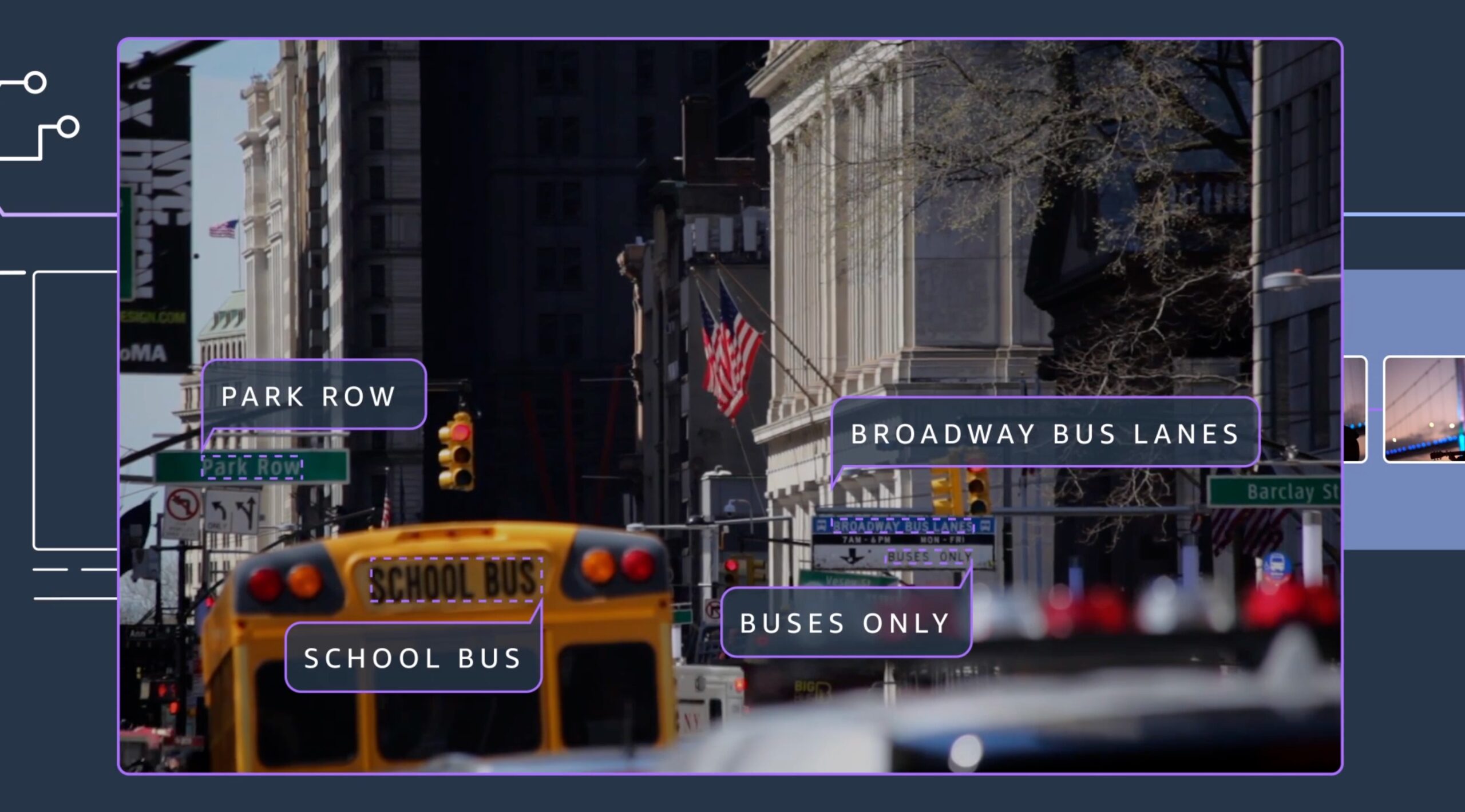
If you’ve ever marveled at how modern applications can instantly recognize faces, objects, or even text within a single click, chances are you’re glimpsing the work of powerful artificial intelligence beneath the surface. Amazon Rekognition is one of the most advanced, accessible tools for adding highly accurate image and video analysis to your business, no AI or machine learning expertise required. As part of Amazon Web Services (AWS), Rekognition offers a flexible, scalable way to infuse your applications with facial recognition, scene detection, content moderation, and much more.
In this guide, we dive deep into how Amazon Rekognition works, its most compelling features, popular use cases across industries, and practical advice for integrating it with your AWS architecture. If you’re ready to bring cutting-edge visual intelligence to your applications, or simply want to understand what sets AWS Rekognition apart, let’s get started.
Key Takeaways
- Amazon Rekognition enables businesses to add advanced image and video analysis, including facial recognition and object detection, without AI expertise.
- The service is fully managed and scalable, integrating seamlessly with AWS tools like Lambda, S3, and CloudWatch for automated and secure workflows.
- Rekognition offers features such as content moderation, text extraction, and custom model training, making it adaptable across diverse industries.
- With a pay-as-you-go pricing model, Amazon Rekognition is cost-effective for both experimentation and enterprise-scale deployment.
- Following best practices like optimizing input quality, managing data privacy, and monitoring performance ensures reliable and actionable results from Amazon Rekognition.
What Is Amazon Rekognition?
Amazon Rekognition is a fully managed, cloud-based image and video analysis service from AWS. At its core, Rekognition leverages deep learning and highly advanced computer vision algorithms to extract actionable insights from visual content. The service enables us to instantly analyze images and videos, identify objects, people, text, and even inappropriate content, all via powerful APIs that are easy to integrate into existing applications.
Rekognition isn’t just facial recognition software. It’s a comprehensive toolkit that allows organizations to automate visual tasks, enhance user experiences, monitor for safety, and streamline operations without having to develop custom machine learning models from scratch. Whether we want to compare faces for user verification, moderate user-generated content, or pull text from video streams, Rekognition provides out-of-the-box solutions tailored to a wide range of industries.
How Amazon Rekognition Works
Amazon Rekognition utilizes deep neural networks trained on vast datasets to deliver highly accurate facial analysis and image recognition capabilities. When we send an image or video to the Rekognition API, it processes the content in AWS’s secure cloud, applying its machine learning models to detect, classify, and analyze visual elements.
A typical workflow involves:
- Uploading an image or video – Input can come directly from apps, AWS S3 buckets, or video streams.
- Calling the Rekognition API – We select functions like DetectFaces, DetectLabels, or RecognizeCelebrities as relevant.
- Receiving structured results – The API returns JSON responses with all detected attributes, such as objects, text, faces, or unsafe content regions.
Because Rekognition is fully managed, there’s no need for us to handle training infrastructure, updates, or scaling. The service learns from new data over time, ensuring its deep learning models remain current and effective. With AWS integration, we can trigger automated workflows, send notifications, or analyze thousands of images and videos concurrently.
Key Features of Amazon Rekognition
Amazon Rekognition offers a suite of powerful capabilities that combine both pre-trained and customizable machine learning models. Here’s an in-depth look at its standout features.
Facial Analysis and Recognition
Rekognition provides highly accurate facial analysis, leveraging deep learning to identify and compare faces in images and videos. We can detect facial attributes such as age range, gender, and emotions, as well as compare faces for verification (critical for secure logins or user onboarding). The facial recognition technology also supports large-scale face search, allowing us to match faces in images or videos against collections, and even spot celebrities.
Object and Scene Detection
The service can automatically identify thousands of objects, scenes, and activities. From vehicles to animals or complex environments, Rekognition’s image analysis can classify elements, tag them, and provide confidence scores. This makes it invaluable for automating tagging, cataloging, and content discovery processes.
Content Moderation
Protecting users from unsafe or inappropriate content is easier with Rekognition’s content moderation APIs. These models detect nudity, violence, weapons, and other potentially unsafe elements in images and videos, helping us automate moderation at scale and comply with regulatory standards.
Text Detection in Images and Videos
Extracting text from visual content is a breeze. Rekognition can recognize printed and handwritten text in images, including street signs, documents, and subtitles within video frames. This functionality is often used for automating data entry, indexing media, or enhancing accessibility features in our apps.
Custom Labels and Model Training
While Rekognition’s core is built on pretrained models, its Custom Labels feature empowers us to train our own models for specialized use cases, no deep learning knowledge required. By supplying a small, labeled dataset, businesses can teach Rekognition to detect domain-specific logos, products, or any unique object not covered by the default models. This blend of scalability and customization is a true game changer for industries with niche needs.
Popular Use Cases for Amazon Rekognition
The versatility of Amazon Rekognition means it plays a pivotal role across countless industries. Here are some of the most impactful applications:
- Security and Surveillance: Automated people counting, facial verification, and threat detection enhance physical and digital security systems.
- Media and Entertainment: Broadcasters use Rekognition for celebrity recognition, scene indexing, and real-time video analysis, making it easier to manage massive video libraries.
- Retail and E-commerce: Businesses leverage facial analysis and object detection to personalize shopping experiences, monitor customer demographics, and automate product tagging.
- User Verification: Fintech and social platforms can compare faces for instant identity verification and fraud prevention.
- Healthcare: Hospitals deploy image analysis for patient monitoring, ensuring compliance and safety in restricted areas.
- Content Moderation: Social networking sites rely on Rekognition to automatically detect and filter inappropriate content, keeping their communities safe.
The possibilities extend far beyond these domains. From automating insurance claim assessments to generating insights from traffic cameras, Rekognition can help our business unlock the true value of visual data.
Security and Access Control
Security is a cornerstone of AWS Rekognition’s design. Every request to the Rekognition API is handled over encrypted channels, protecting sensitive visual content throughout processing and storage. AWS Identity and Access Management (IAM) controls let us define granular permissions for users, applications, and devices accessing Rekognition APIs.
For organizations handling sensitive or regulated data, additional features such as VPC endpoints, AWS Key Management Service (KMS) encryption, and audit logging through AWS CloudTrail provide further safeguards. By integrating Rekognition with our access management systems, we can carry out biometric-based authentication and tight access control, ensuring only authorized users interact with critical resources.
AWS Rekognition Pricing and Cost Structure
Amazon Rekognition’s pricing is structured as pay-as-you-go, meaning we only pay for the resources and API calls we actually use. Here’s what we should know:
- Image Analysis: Billed per image processed. Basic label detection, facial analysis, and content moderation each have separate per-image rates.
- Video Analysis: Charged per minute of video processed, whether for facial detection, object recognition, or content moderation.
- Custom Labels: Training and deploying custom models incurs charges based on data size, hours trained, and inference requests.
- Storage and Data Transfer: Any images or videos stored in Amazon S3 or moved across AWS regions may trigger additional AWS charges.
AWS provides a free tier for new accounts, perfect for experimentation and prototyping. Exact rates may vary by region and service version, so it’s wise to consult the AWS Rekognition pricing page for up-to-date details. Because Rekognition is scalable, startups and enterprises alike benefit from predictable costs and no long-term contracts.
How to Get Started With Amazon Rekognition
Getting up and running with Amazon Rekognition is straightforward, even if we’re new to AWS or machine learning. Here’s a step-by-step overview:
- Set Up an AWS Account: Sign up or log into the AWS Management Console.
- Create an IAM User and Assign Permissions: Grant access to Rekognition and any necessary S3 buckets for storing images or videos.
- Choose an Integration Approach: Whether we prefer using AWS SDKs (for Python, Java, JavaScript, etc.) or direct API calls, Rekognition supports a range of languages.
- Upload Visual Content: Store images or video segments in Amazon S3 for batch analysis, or use direct streaming for real-time applications.
- Call Rekognition APIs: Use features like DetectLabels, DetectFace, or StartContentModeration via the SDK or REST API.
- Interpret Results and Take Action: The API’s JSON responses are easy to parse and integrate into our app’s logic or automate downstream workflows.
AWS’s extensive documentation, example code, and training resources make the initial lift smooth for teams of all sizes.

Integrating Amazon Rekognition With Other AWS Services
The real magic of Rekognition often comes when we connect it to other core AWS services. With AWS Lambda, for instance, we can automatically trigger analysis of new images as soon as they’re uploaded to an S3 bucket. Use Amazon SQS or SNS to orchestrate notifications and downstream processes when Rekognition flags unsafe or relevant content.
Coupled with Amazon CloudWatch, we gain detailed visibility and alerting across our media pipelines. Storing metadata in Amazon DynamoDB lets us quickly query and correlate image analysis outputs at scale. If we’re building multimedia websites or mobile apps, combining Rekognition with AWS Amplify or AWS Elastic Transcoder can streamline everything from user uploads to video rendering and search.
This tight integration within the AWS ecosystem lets us create flexible, highly automated, and reliable workflows while keeping all data secure within the cloud.
Best Practices and Considerations for Deployment
To maximize the value and impact of Amazon Rekognition in production, it pays to follow established best practices:
- Define Clear Use Cases: Outline what you want to achieve with Rekognition, user verification, content moderation, business intelligence, etc. This focuses feature adoption and code simplicity.
- Optimize Image and Video Quality: Higher quality input generates better results. Preprocess images (cropping, resizing) to match the API’s expectations for improved accuracy.
- Manage Data Privacy: For images and videos containing personal or sensitive data, ensure compliance with privacy laws and internal policies. Use AWS encryption and limit access with IAM.
- Monitor and Tune Performance: Leverage CloudWatch metrics to track usage and error rates. Adjust resource allocation and retrain custom models as needed.
- Iterate and Test Frequently: Experiment with different API parameters, model thresholds, and input scenarios to find the best results for your domain.
- Consider Human-in-the-Loop Review: While Rekognition is powerful, supplementing it with manual review for high-value decisions can further reduce false positives or negatives.
Addressing these points ensures our image and video analysis is both actionable and reliable, offering real business value rather than just technical novelty.
Conclusion
Amazon Rekognition has redefined what’s possible with image and video analysis, democratizing access to advanced AI capabilities for startups and enterprises alike. By combining out-of-the-box functionality, robust security, and seamless AWS integration, it delivers actionable insights from our visual content in minutes, not months.
As more organizations embrace visual intelligence to automate, secure, and personalize digital experiences, Rekognition remains a leading choice for those seeking powerful yet easy-to-use recognition software. Whether we’re moderating user uploads, verifying identities, or uncovering patterns in massive video archives, Rekognition makes it easy to add image and video analysis without deep learning expertise. The future of AI-driven applications is visual, and Amazon Rekognition puts those tools at our fingertips.
Frequently Asked Questions about Amazon Rekognition
What is Amazon Rekognition and how does it work?
Amazon Rekognition is a fully managed AWS service that uses deep learning to analyze images and videos. It can detect faces, objects, text, and inappropriate content. You upload visual data and the Rekognition API returns structured, actionable results, making it easy to integrate advanced analysis into applications.
How can businesses use Amazon Rekognition for security and surveillance?
Amazon Rekognition enhances security by enabling automated people counting, facial verification, and threat detection. It integrates with surveillance systems to identify individuals, analyze crowd movements, and monitor for unsafe or restricted behavior, helping organizations maintain safety and compliance.
What are the main features of Amazon Rekognition?
Amazon Rekognition offers facial analysis and recognition, object and scene detection, content moderation, text extraction from images and videos, and the ability to create custom labels for domain-specific needs. It integrates seamlessly with other AWS services for scalable automation and data management.
How is Amazon Rekognition priced?
Amazon Rekognition uses a pay-as-you-go pricing model. Charges are based on the number of images or minutes of video processed, as well as for custom model training and inference. Storage and data transfer through AWS services may incur additional costs. A free tier is available for new accounts.
Can I train custom models with Amazon Rekognition?
Yes, Amazon Rekognition allows you to create custom labels by training models with your own labeled dataset. This feature enables detection of unique objects or features not covered by the default models, and is accessible even without deep learning expertise.
Is Amazon Rekognition suitable for small businesses or only large enterprises?
Amazon Rekognition is suitable for both small businesses and large enterprises. Its flexible, pay-as-you-go pricing and fully managed infrastructure make it accessible for startups needing to experiment, as well as for established companies requiring scalable, reliable image and video analysis solutions.