
 Back
Back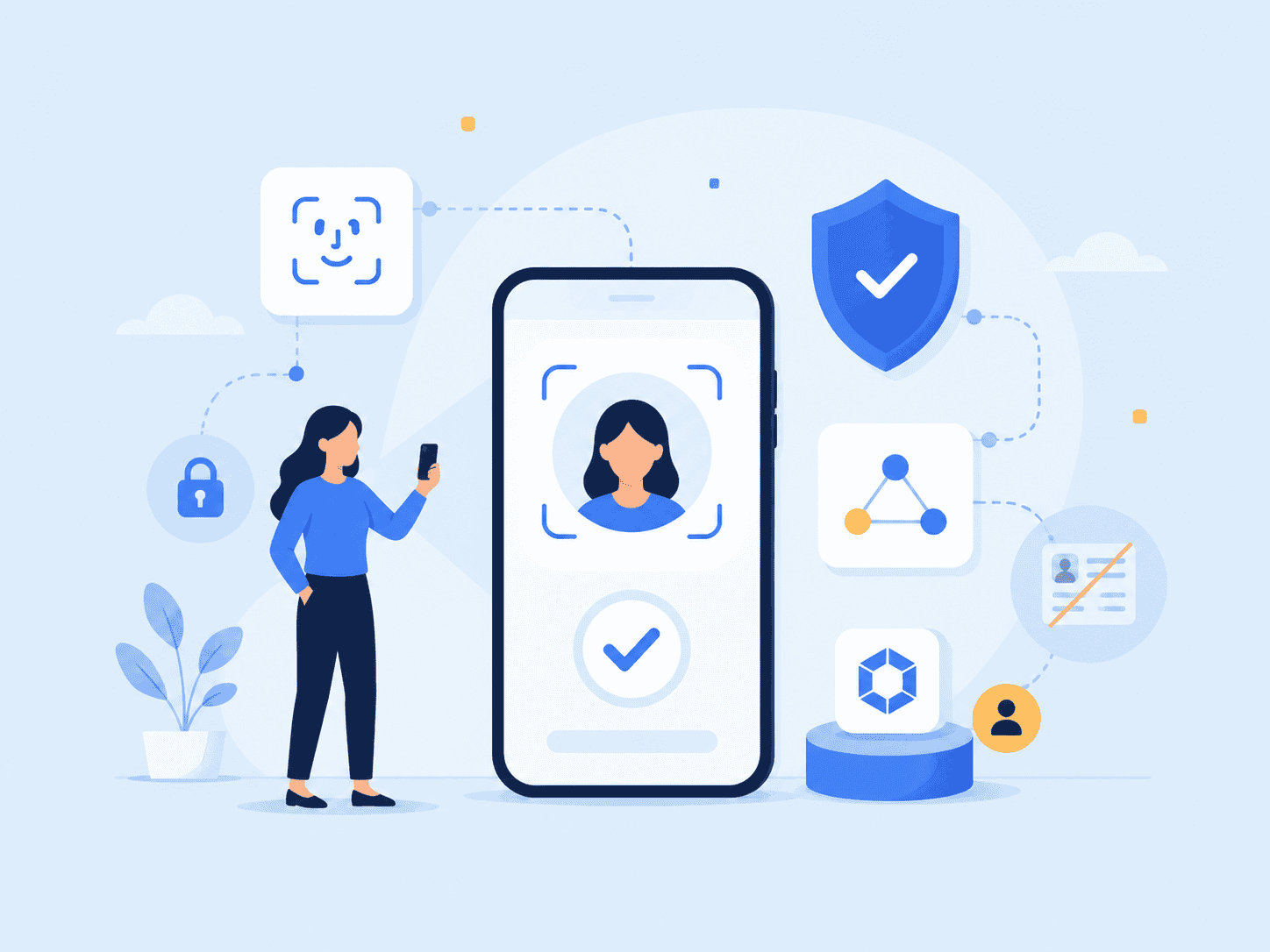
Many websites only need one answer: is this person old enough? They do not always need a passport scan, driver’s license, full date of birth, or stored selfie. That is why more platforms are asking how to verify age without id while still protecting young people, meeting compliance duties, and keeping user privacy intact.
The practical answer is age assurance. Instead of proving a full identity, the system confirms whether a user meets a required age threshold.
Key Takeaways
- You can verify age without ID by confirming age eligibility instead of full identity.
- Facial age estimation, anonymous age tokens, mobile carrier checks, and verified credentials can reduce document uploads.
- A privacy-first age verification method should collect the least data needed for the risk level.
- ID upload should usually be a fallback, not the first step for every user.
- The best user experience clearly explains what is checked, what is stored, and why.
Why ID Uploads Are Not Always the Right First Step
Asking every user to upload ID creates friction. Some users do not have a document nearby. Some are uncomfortable sharing a scan with a website they do not know. Others abandon the process because the age check feels more like identity verification than a simple proof of age.
It also creates risk for the business. If a website stores ID images, birthdates, addresses, face images, or phone numbers, it has to secure that data, limit access, define retention rules, and handle deletion requests. That is a heavy burden when the website may only need to confirm that a user is old enough.
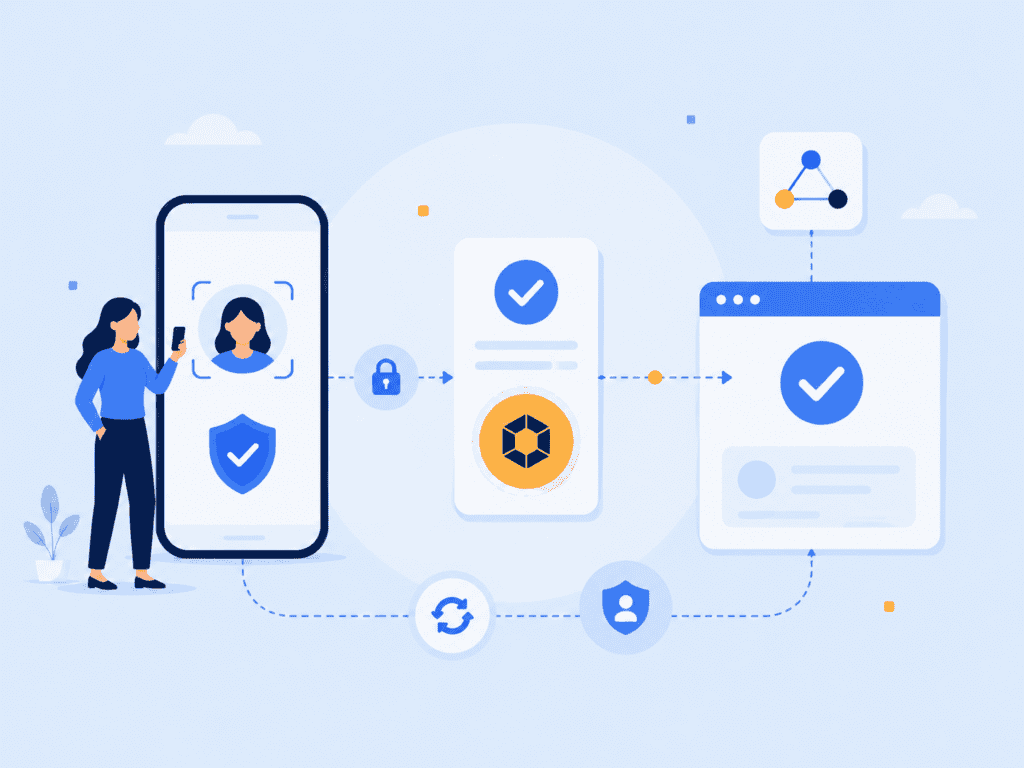
Regulators are also moving toward stronger age assurance, not necessarily more data collection. Ofcom’s guidance on highly effective age assurance recognises several approaches, including facial age estimation, digital identity services, and other methods that can be more effective than a simple birthdate field.
The better model is proportionate. Low-risk services should not collect high-risk data by default. High-risk services need stronger checks, but those checks should still minimise personal details wherever possible.
How to Verify Age Without ID
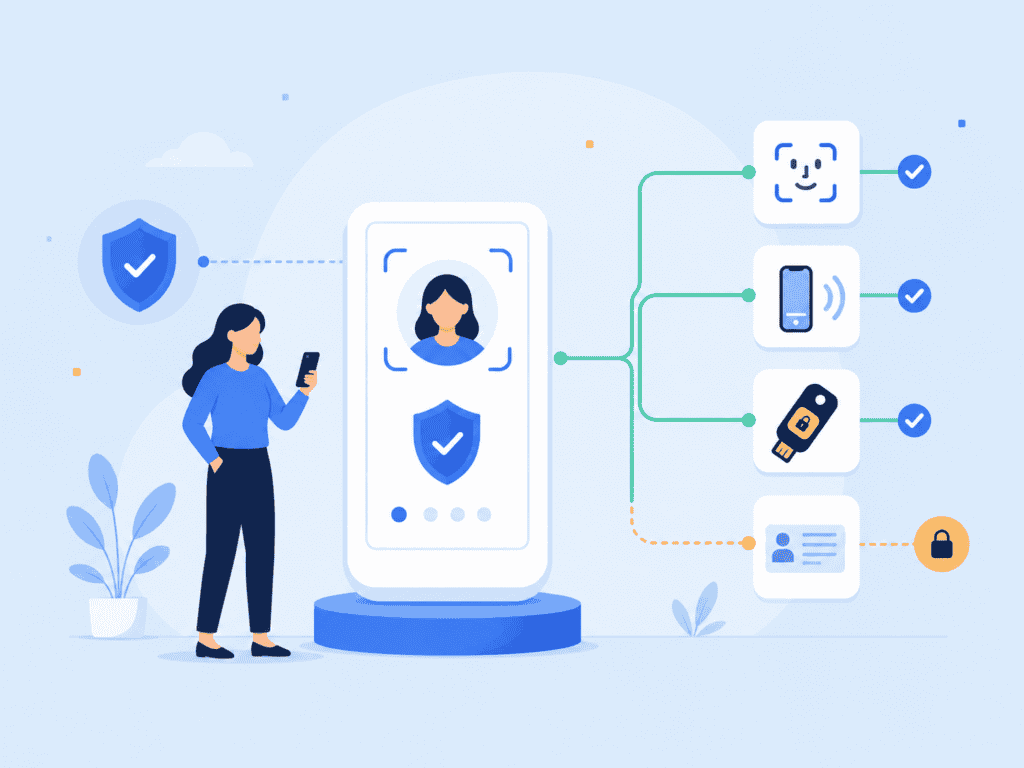
The core idea behind how to verify age without id is simple: confirm the age attribute, not the whole person. A platform may need to know that a user is over 18, over 21, or under a certain age limit. It may not need to know the user’s name, address, exact birthdate, or document number.
There are several ways to do this.
Facial age estimation
Facial age estimation uses a selfie or live camera image to estimate whether someone is likely above or below a required age. It is not the same as facial recognition. Facial recognition tries to identify a person. Facial age estimation estimates an age range or threshold.
A privacy-first setup processes the selfie on the user’s device where possible. PrivateID’s age verification technology, for example, uses on-device facial age estimation so images and personally identifiable information do not need to leave the device.
This method works well when the user is clearly above the required age. If the estimate is close to the threshold, the platform can offer a fallback instead of rejecting the user outright.
Anonymous age tokens
An anonymous age token lets someone prove they meet an age requirement without revealing their exact age. The token might confirm “over 18” or “old enough for this service” without sharing a full identity record.
This is useful for repeat visits. A user completes an age check once, receives a reusable credential or token, and can access age-restricted features later without repeating the full process.
The design principle aligns with NIST’s Digital Identity Guidelines, which cover identity proofing, authentication, federation, and assertions. For age verification, the important takeaway is data minimisation: share only the attribute the relying party needs.
Mobile carrier or phone-based checks
Some age verification services use mobile carrier records or phone account signals. The user proves control of a mobile phone, and the provider checks whether the account information supports the required age.
This can be convenient, but it is not perfect. Family plans, prepaid phones, shared devices, and employer-issued mobile numbers can reduce confidence. Phone-based checks are better as one option in a broader verification flow, not the only method for sensitive use cases.
Payment or banking-based checks
Credit card checks, payment signals, and open banking can sometimes support proof of age. For example, a payment method may indicate that the user meets a minimum age requirement in a specific market.
The trade-off is trust. Some users are more comfortable with a quick selfie than a bank-linked check. Others prefer a credential or document fallback. Businesses should explain exactly what is being checked and avoid storing unnecessary financial or personal details.
Document fallback with limited retention
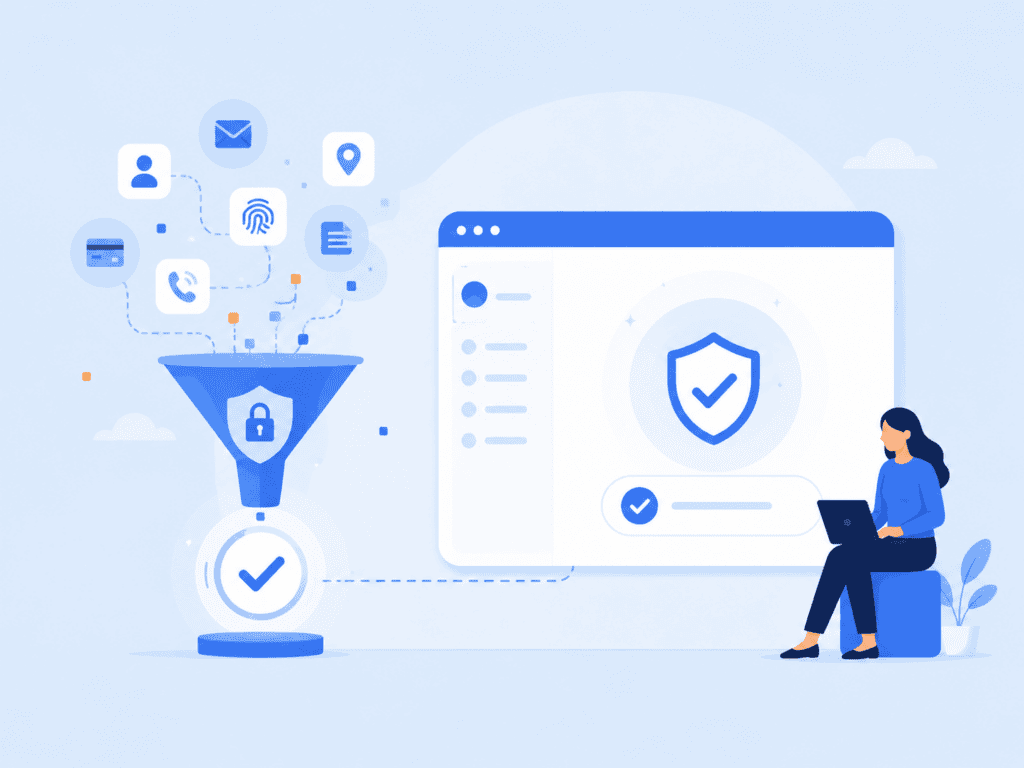
There are still cases where ID may be required. For example, a user might be close to the threshold, unable to complete a selfie check, or accessing a regulated product where stronger proof is needed.
The key is to make ID a fallback, not the default. A safer approach extracts only the needed attribute, such as “over 18,” then deletes the image when it is no longer required. PrivateID’s age assurance workflows can combine facial age estimation, liveness detection, document checks, and identity proofing when a higher level of assurance is needed.
Age Verification Methods Compared
| Method | What it confirms | Privacy impact | Best fit |
| Self-declared date of birth | What the user typed | Low data collection, low reliability | Low-risk experiences only |
| Facial age estimation | Likely age range or age threshold | Lower if processed on-device | Apps, websites, platforms, and age-gated access |
| Anonymous age token | Age eligibility claim | Low, if no full identity is shared | Repeat access and cross-platform verification |
| Mobile carrier check | Phone-account-based signal | Medium, depends on provider data | Secondary check or fallback |
| Payment or banking signal | Eligibility based on financial account | Medium to high user sensitivity | Regulated products or higher-risk flows |
| ID document check | Date of birth and identity data | High if stored or overcollected | Fallback or strict compliance cases |
A useful rule is this: do not collect exact age when “old enough” is enough. Do not collect identity when an age credential is enough. Do not store proof when a pass result is enough.
A Practical Privacy-First Age Check Flow
A good age verification flow should feel simple to the user, but deliberate behind the scenes.
Start by defining the required age. Is the platform checking for 13, 16, 18, 21, or another threshold? The answer depends on the product, market, content type, and compliance risk. For example, the Children’s Online Privacy Protection Rule applies to operators of child-directed online services and operators with actual knowledge that they collect personal information from children under 13.
Next, decide whether the platform needs the user’s exact date of birth or only an age result. In many cases, “meets age requirement” is enough.
A practical flow might look like this:
- The user reaches an age-restricted page, app feature, store checkout, or content gate.
- The platform explains the check in plain language.
- The user completes an on-device selfie age estimate.
- If the user is clearly above the required age, access is granted.
- If the estimate is close to the threshold, the user receives a fallback option.
- The system stores only the minimum result, such as “age requirement met.”
- A credential or token allows the user to avoid repeating the same check unnecessarily.
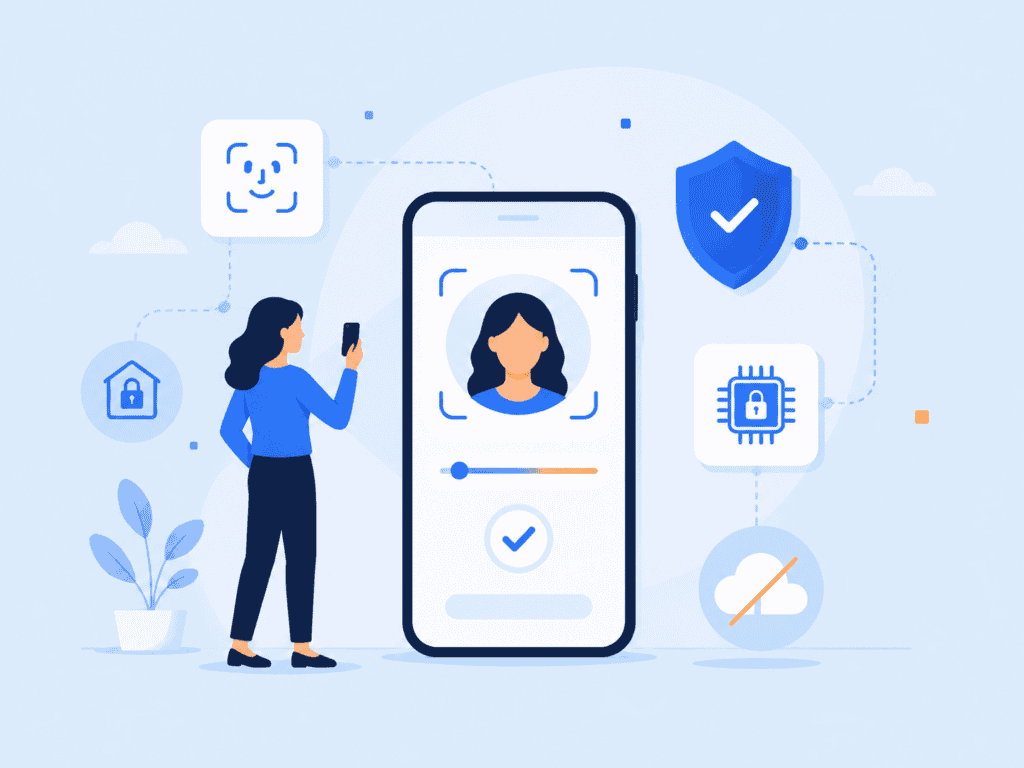
Liveness checks can improve this flow. They help confirm that the user is physically present and not using a printed photo, replayed video, or static image. PrivateID’s identity verification platform supports privacy-preserving verification workflows where age checks need to connect with stronger identity assurance.
The strongest flows are not always the strictest. They are the ones that match the risk, explain the reason for the check, and avoid turning a simple age gate into unnecessary surveillance.
What Businesses Should Avoid
The first mistake is relying only on a date of birth field. A user can type any birthdate. That may be acceptable for low-risk experiences, but it is weak for adult content, harmful content, regulated goods, or stricter online safety requirements.
The second mistake is asking for ID too early. If a user only needs to prove they are old enough, a full document upload may be disproportionate. It can reduce conversion, increase support requests, and create unnecessary data protection obligations.
The third mistake is storing too much. A business should not keep selfies, ID scans, exact birthdates, phone numbers, or extracted personal details unless there is a clear operational or legal reason.
The fourth mistake is offering no fallback. Some users will not have a working camera. Some will not want to use a payment method. Some may fail an estimate despite being old enough. A fair process gives them another way to prove their age.
The fifth mistake is unclear wording. “Verify your identity” sounds invasive when the platform only needs an age check. Better copy is more specific: “Confirm you’re old enough to access this section. We do not need your name or exact birthdate for this check.”
Conclusion
The best way to verify age without ID is to confirm the age requirement, not collect a full identity profile. Start with a low-friction method, use stronger fallback checks only when needed, and store the smallest possible result. That protects users, reduces business risk, and creates an age verification process people are more likely to trust.
FAQs
Can you verify age without a government ID?
Yes. A platform can use facial age estimation, anonymous age tokens, mobile carrier checks, payment signals, open banking, or trusted digital credentials. ID may still be needed as a fallback for higher-risk cases.
Is facial age estimation the same as facial recognition?
No. Facial age estimation estimates whether someone appears above or below an age threshold. Facial recognition identifies or matches a person. A privacy-first age check should not need to identify the user.
Is a date of birth field enough for age verification?
Usually not for higher-risk use cases. A date of birth field is self-declared, so users can enter false information. It may work for low-risk access, but it is weak for adult content, regulated products, or harmful content controls.
What is anonymous age verification?
Anonymous age verification proves that a user meets an age requirement without revealing their name, exact age, full birthdate, or ID document. The website receives only the pass result or age attribute it needs.
When should a business still ask for ID?
A business may need ID when the user is close to the required age, when regulation requires stronger proof, or when other verification methods fail. Even then, the business should limit retention and avoid storing more personal data than needed.
How can an age check be secure without storing ID?
Security can come from on-device processing, liveness checks, signed credentials, limited-use tokens, encryption, and clear audit records. The goal is to prove the result without creating a large database of sensitive documents.
What should users look for in an age verification provider?
Users should look for clear privacy messaging, minimal data collection, secure processing, and a plain explanation of whether selfies, phone numbers, birthdates, or ID images are stored. Trust starts before the check begins.